
Pre-release combat guide
STRANGER THAN HEAVEN Combat Guide: Weapons, Counters, and What Is Confirmed
The clearest way to read STRANGER THAN HEAVEN combat before launch is to separate visible actions from assumptions. This guide maps the confirmed brawler systems, the weapons shown in official material, and the questions that still need a playable build.
Quick answer: a real-time brawler built around reading space
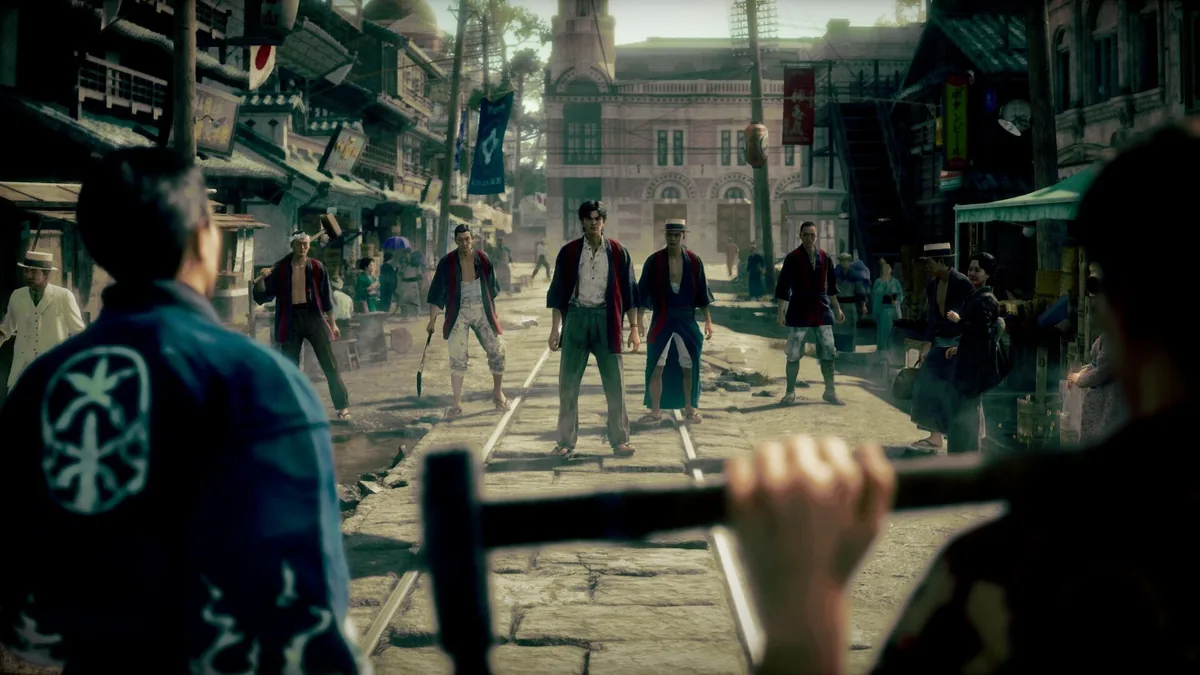
Official Steam copy describes a real-time combat system in which Makoto Daito can control his left and right sides independently. It names quick jabs, charged attacks, tackles, pins, blocks, counters, and street weapons such as knives, hammers, and katanas. The screenshots and trailer material also show close-range group fights. Taken together, the safest description is a deliberate action brawler where spacing and target selection should matter more than repeating one canned combo.
That description is narrower than a full combat manual. The public pages do not yet publish a complete control diagram, frame data, skill tree, damage formula, stamina rules, or difficulty modifiers. A guide can explain how to prepare for the shape of the system, but it should not invent button assignments or promise that every weapon has a known upgrade path. Treat the practical checklist below as a launch-day observation plan, not as a claim that the pre-release footage reveals every mechanic.
The page also keeps combat separate from the show's management loop. Rumor gathering, performer scouting, sound recording, music creation, setlists, casting, and production are important parts of the wider game pitch, but they are not combat upgrades by default. Until RGG Studio explains how the two systems connect, read this page as a combat evidence guide and use the gameplay overview for the broader activity map.
- Format
- Real-time close-quarters action; not presented as turn-based combat.
- Named actions
- Jabs, charged attacks, tackles, pins, blocks, and counters.
- Named weapons
- Knives, hammers, and katanas appear in official descriptions or media.
- Still unknown
- Exact controls, upgrades, enemy tiers, difficulty modes, and damage values.
What the official material confirms, and what it does not
Pre-release combat coverage often turns a short clip into a complete build guide. This table keeps the evidence boundary visible so a reader can make useful plans without mistaking a preview for a final manual.
| Combat element | Confirmed or clearly shown | Do not assume yet |
|---|---|---|
| Left and right actions | Official copy says Makoto's left and right sides can be controlled independently. | The exact controller mapping, accessibility options, and whether inputs change by weapon. |
| Jabs and charged attacks | Both quick and committed attack types are named in the public description. | Charge time, cancel windows, combo routes, stamina cost, and damage scaling. |
| Tackles and pins | Tackles and pins are described as part of close-range encounters. | Escape rules, boss immunity, ground follow-ups, and how crowds punish a missed tackle. |
| Blocks and counters | Blocks and counterattacks are explicitly listed as defensive options. | Parry timing, guard breaks, invulnerability windows, and difficulty changes. |
| Street weapons | Knives, hammers, and katanas are named, and the media shows weapon use. | Durability, disarming, crafting, inventory limits, upgrades, and faction consequences. |
| Group fights | Official imagery shows Makoto facing several opponents in a street setting. | Enemy archetypes, lock-on behavior, crowd control, boss rules, and encounter frequency. |
How to read the combat loop without overclaiming
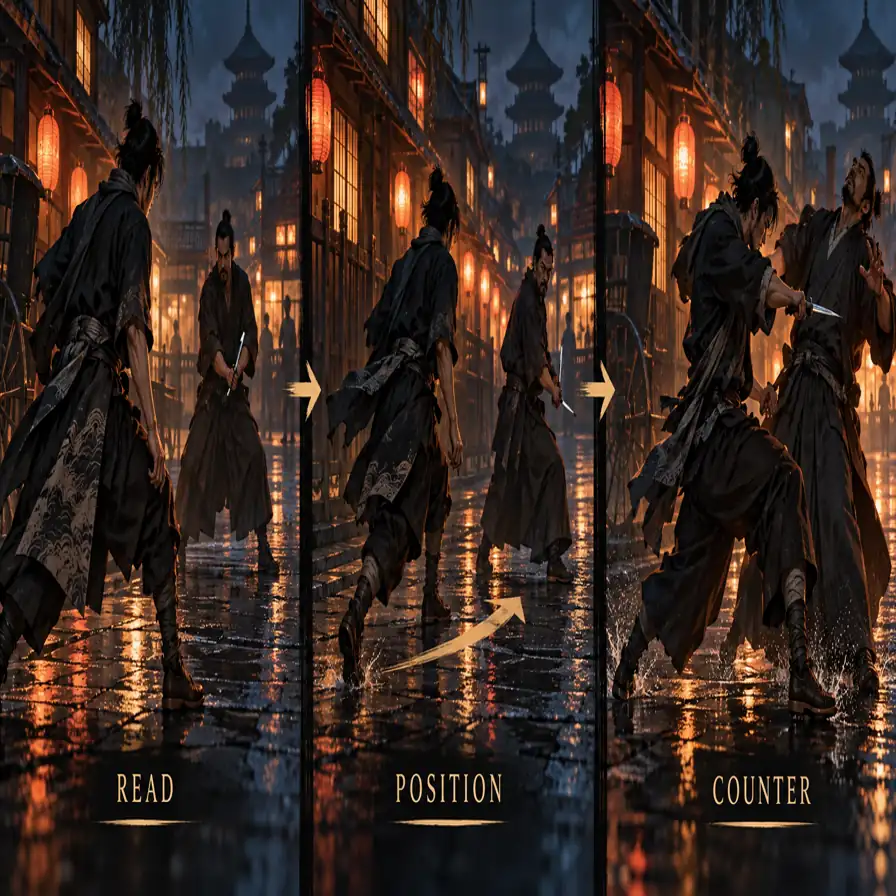
The most useful mental model is read, position, then commit. Read means watching which opponent is closing, which one carries a weapon, and whether the group is leaving a safe exit. Position means moving so a tackle or charged attack does not expose Makoto to an unseen flank. Commit means choosing a quick strike, a heavier attack, a block, or a counter only after the spacing makes sense. This sequence is an editorial interpretation of the public footage, not a published developer tutorial, but it gives the preview details a practical shape.
Independent left and right control may reward deliberate target selection. A short jab can test range without spending a large commitment, while a charged attack may be better after an opponent whiffs. A tackle or pin could create a temporary one-on-one window in a crowd, yet that only helps if the surrounding enemies are visible. Until the game launches, avoid advice that depends on a specific cancel, perfect parry, or invulnerability exploit.
The generated diagram beside this section is a conceptual explainer, not an official screenshot. It visualizes the order of decisions in plain language so readers can compare future hands-on footage against a stable checklist. When the final game exposes its controls, the first update should replace assumptions with verified input names, enemy reactions, and accessibility details.
Weapons: what knives, hammers, and katanas tell us
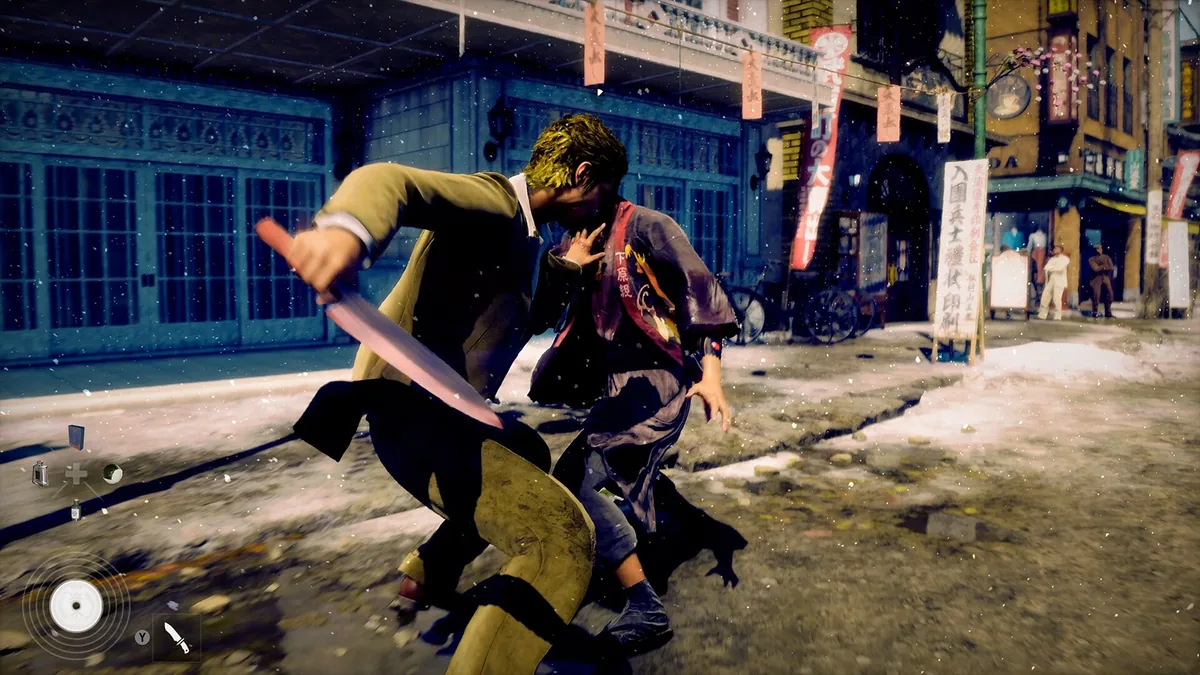
The named weapon list matters because it points to different kinds of commitment. A knife suggests short reach and fast threat recognition, a hammer suggests a heavier impact profile, and a katana suggests a distinct range or timing fantasy. Those are sensible questions to bring to launch footage, not confirmed statistics. The official material does not give reliable values for damage, speed, durability, stagger, or upgrade cost, so this guide leaves them open.
When a weapon appears in a group encounter, look for three practical details: whether Makoto can pick it up from the environment, whether an opponent can interrupt the pickup, and what happens when the weapon is dropped or broken. These observations help separate a contextual animation from a persistent inventory system. Do not label a weapon as craftable, upgradeable, or permanently owned until an official page or the released game shows that behavior.
Weapon advice should also respect the site's current evidence standard. The screenshot in this section is real official store media, while the captions describe only what a reader can see. It is safe to say the game presents weapon-led street fights. It is not yet safe to publish a tier list, a best weapon route, a farming location, or a boss weakness. Those are excellent post-launch opportunities once repeatable data exists.
Launch-day checklist
Six questions to answer when the full game is playable
Use these checks to turn the pre-release combat hypothesis into a verified guide. Each question is designed to produce an observable answer rather than a guess based on a trailer frame.
- Map the default left and right inputs, then check whether the game lets players remap them or enlarge prompts.
- Test a quick jab, a charged attack, and a missed attack to see how recovery time changes the next decision.
- Record what a block, a counter, and a guard break look like against a normal enemy before testing them on a boss.
- Pick up each named weapon and note reach, speed, stagger, durability, drop rules, and whether the environment supplies replacements.
- Start a group fight and watch the edges of the arena: lock-on, off-screen attacks, crowd spacing, and escape routes matter more than a single damage number.
- Separate combat rewards from showman rewards so a later build guide does not confuse story progression, performer management, and weapon upgrades.
What this combat guide will update after launch
A useful pre-release page should make its limits easy to audit. The confirmed column is based on official store copy, official media, and the publisher or platform pages linked below. The interpretation column explains why a detail may matter in play, but it is labeled as interpretation. Anything that needs a controller, a save file, repeatable encounters, or a complete enemy roster stays in the update queue.
That boundary protects readers from false precision. A made-up damage table can look helpful while sending a player toward a nonexistent upgrade path. The stronger workflow is to publish the evidence now, link to the broader gameplay and platform pages, and add tested numbers only after several encounters can reproduce them.
Safe to say now
The game presents real-time street fights with named attacks, defensive actions, tackles, pins, and weapons.
Useful interpretation
Spacing, target selection, and crowd awareness are sensible skills to watch because the official imagery shows group confrontations.
Wait for launch data
Exact controls, frames, builds, weapon tiers, boss counters, difficulty settings, and optimal routes.
FAQ
STRANGER THAN HEAVEN combat FAQ
Is STRANGER THAN HEAVEN combat turn-based?
No public source presents it as turn-based. Official Steam material describes real-time action with jabs, charged attacks, tackles, pins, blocks, counters, and weapons. Exact controls and combat pacing still need the final game.
What weapons are confirmed in STRANGER THAN HEAVEN?
The official description names knives, hammers, and katanas, and official media shows weapon-led street fighting. The available sources do not confirm a complete weapon roster, stats, durability, crafting, or upgrade costs.
Does the game have counters or parries?
Counterattacks are explicitly named in the public combat description. A precise parry window, guard-break rule, or perfect-counter reward is not confirmed, so this page does not publish frame advice before launch.
Will STRANGER THAN HEAVEN have a combat skill tree?
A skill tree has not been confirmed in the official pages checked for this guide. It may be a reasonable launch question, but readers should wait for an in-game menu or a direct developer explanation before treating it as a feature.
Is there a STRANGER THAN HEAVEN combat demo?
The site's demo guide tracks official playable-demo information separately. A trailer or store video is not the same as a downloadable demo, so this combat page does not claim that a public trial exists.
Where can I find a complete STRANGER THAN HEAVEN combat build?
A reliable build guide needs a released game, repeatable encounters, and verified upgrade data. Until those exist, use the observation checklist here and return for tested weapon routes, enemy counters, and difficulty notes after launch.
Sources
Official sources checked
This fan-made guide uses first-party store and publisher pages for confirmed combat wording, then labels visual interpretation and future questions separately. Recheck the linked pages when the release build or a new official preview changes the evidence.