
Pre-release storyline guide
STRANGER THAN HEAVEN Storyline & Timeline: Five Eras Explained
The short answer: STRANGER THAN HEAVEN follows Makoto Daito through a fifty-year saga that starts in San Francisco in 1915 and moves through five Japanese cities and eras. This spoiler-light guide maps the confirmed storyline, explains what each time jump contributes, and keeps official facts separate from reasonable but unconfirmed interpretation.
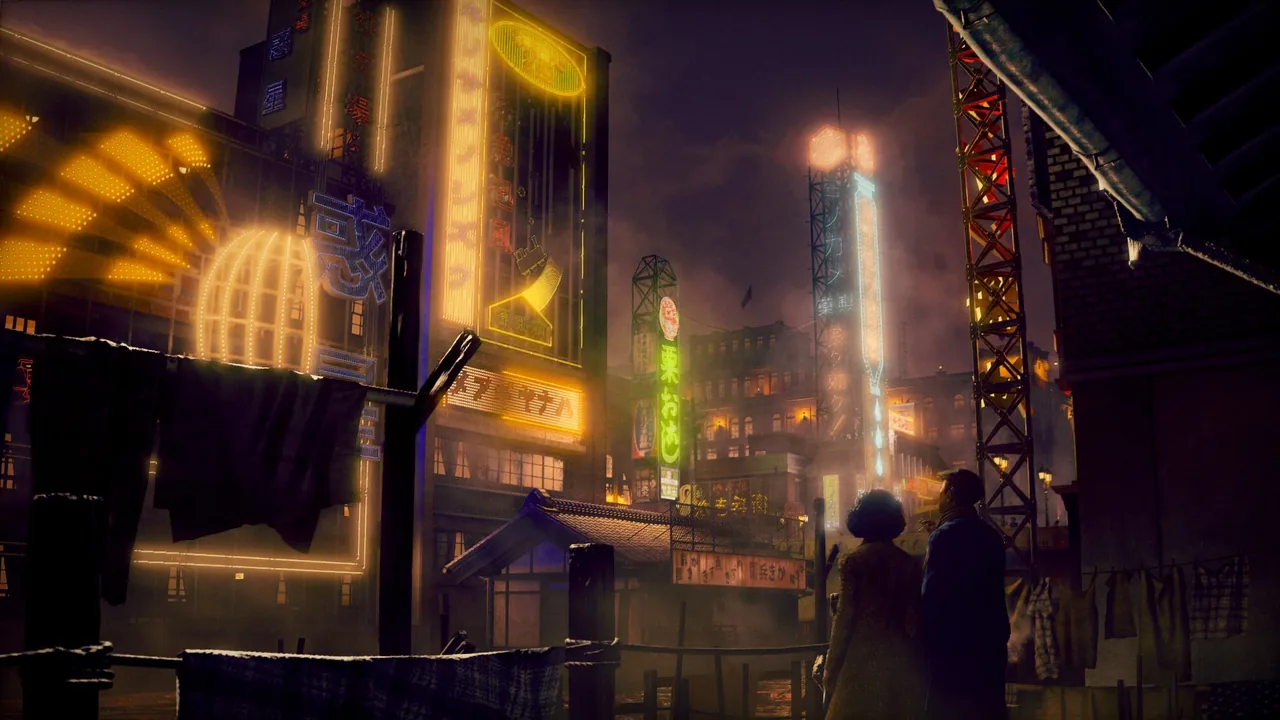
What is the STRANGER THAN HEAVEN storyline about?
The confirmed premise centers on Makoto Daito, a young man born to an American father and a Japanese mother. After persecution and loss in San Francisco, he leaves in 1915 and begins a journey that spans five decades. The official pitch is not a single modern crime story: it is an era-spanning action-adventure about people searching for a place to belong while violence, work, music, identity, and changing cities reshape their choices.
The five-era structure is the most useful way to read the current STRANGER THAN HEAVEN storyline. Kokura, Kure, Minami, Atami, and Shinjuku are not just a list of locations. Each city places Makoto in a different historical pressure: industrial labor, military power, wartime entertainment, postwar tourism, and a rapidly expanding Tokyo. The exact missions, alliances, endings, and spoiler details remain unrevealed before launch, so this page records the map without inventing a plot walkthrough.
What the official storyline confirms
Official Steam, Xbox, PlayStation, and SEGA material establishes the broad frame: Makoto Daito leads a new RGG Studio saga; the story covers five eras and five Japanese cities; and the journey runs from the early twentieth century toward 1965. The phrase five decades matters because it signals character change as well as setting change. A city can age, rebuild, become more commercial, or turn more dangerous while Makoto carries the consequences of earlier decisions forward.
The same source material also describes people who have nowhere to go and a desperate search for home. That language supports a story about displacement and belonging, but it does not prove every fan theory about factions, family ties, or the ending. In this guide, a statement is treated as confirmed when a first-party page or clearly attributed official description supports it. A reading of tone, historical atmosphere, or likely character development is labeled interpretation instead of being presented as plot fact.
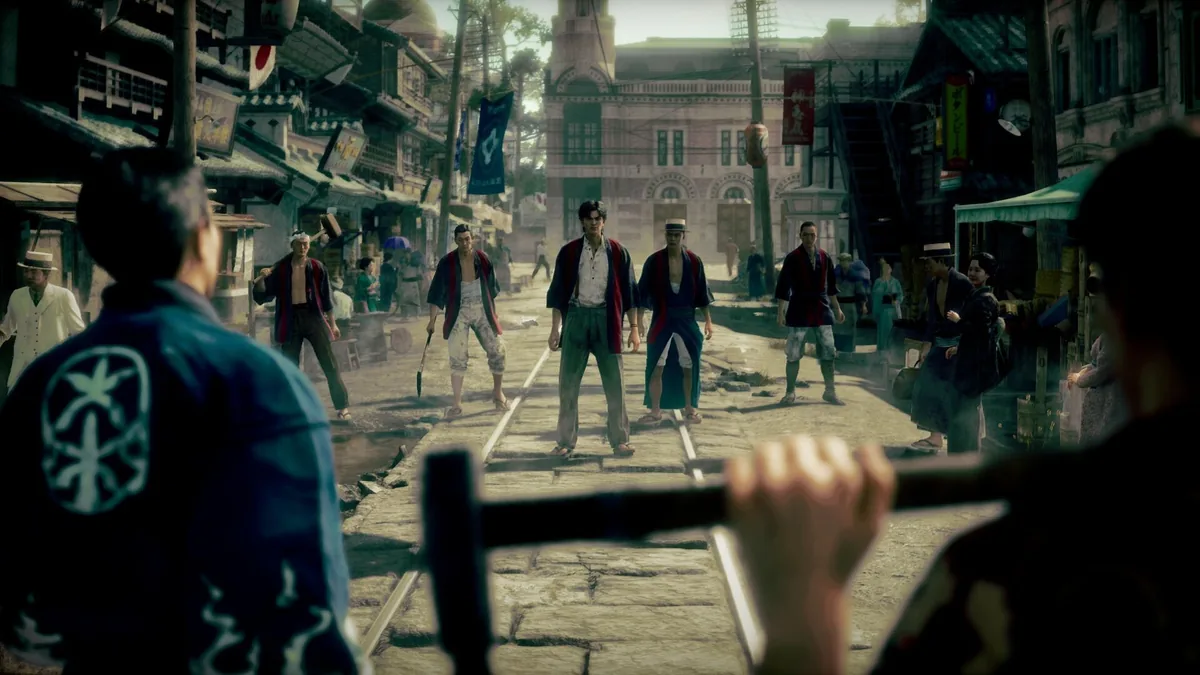
Five-era timeline
STRANGER THAN HEAVEN timeline: five cities, five pressures
The table below is a practical spoiler-light timeline for the current pre-release record. The years and city names come from official game descriptions and the existing guide hub. The story-role column adds editorial context about why each stop matters, but it does not claim that every theme becomes a specific mission or ending. After launch, this page can be expanded with verified chapters, maps, character appearances, and spoiler controls.
| Year | City and era | Why the stop matters |
|---|---|---|
| 1915 | Kokura, Fukuoka | The departure point: Makoto leaves San Francisco after persecution and loss, then arrives in Japan with the pressure of starting over and finding work. |
| 1929 | Kure, Hiroshima | A port and naval-arsenal setting where organized crime, military influence, and competing power structures create a harder test of belonging. |
| 1943 | Minami, Osaka | A wartime entertainment district that connects public performance, music, social survival, and the cost of making a life while the country is under strain. |
| 1951 | Atami, Shizuoka | A postwar seaside resort where recovery, tourism, and a changing public mood can show how the world around Makoto has been rebuilt. |
| 1965 | Shinjuku, Tokyo | The late-era urban pressure point: a crowded Shinjuku shaped by faction conflict, performance, modern city growth, and the accumulated weight of the journey. |
How to read the five-era story without spoilers
A timeline guide is more useful than a plot prediction when a game is still unreleased. Start with the historical question each city raises, then connect it to Makoto's personal movement. In 1915 the central action is departure. By 1929 the question becomes who controls opportunity. In 1943 survival and performance share the same public space. In 1951 the story can examine recovery and reinvention. By 1965, the city itself has become a record of everything that came before.
This reading also explains why the showman system belongs in the storyline conversation even though it is not a plot synopsis. Official descriptions place Makoto's music and production work beside street fighting, rumors, performers, sound recording, setlists, and stage management. Those activities show how he interacts with ordinary people and public spaces. They may influence pacing or character relationships, but no official source currently publishes a branching chart, reward formula, or guaranteed story consequence. Keep those possibilities open until a playable build or documentation verifies them.
A reliable pre-release reading order
- Begin with the official premise and identify which detail is directly stated.
- Place the five cities on the 1915-1965 timeline before reading fan theories.
- Use gameplay media to understand mood and systems, not to invent unseen plot events.
- Label historical context and editorial inference separately from confirmed character facts.
- After launch, replace open questions with sourced chapter details and spoiler-marked guides.
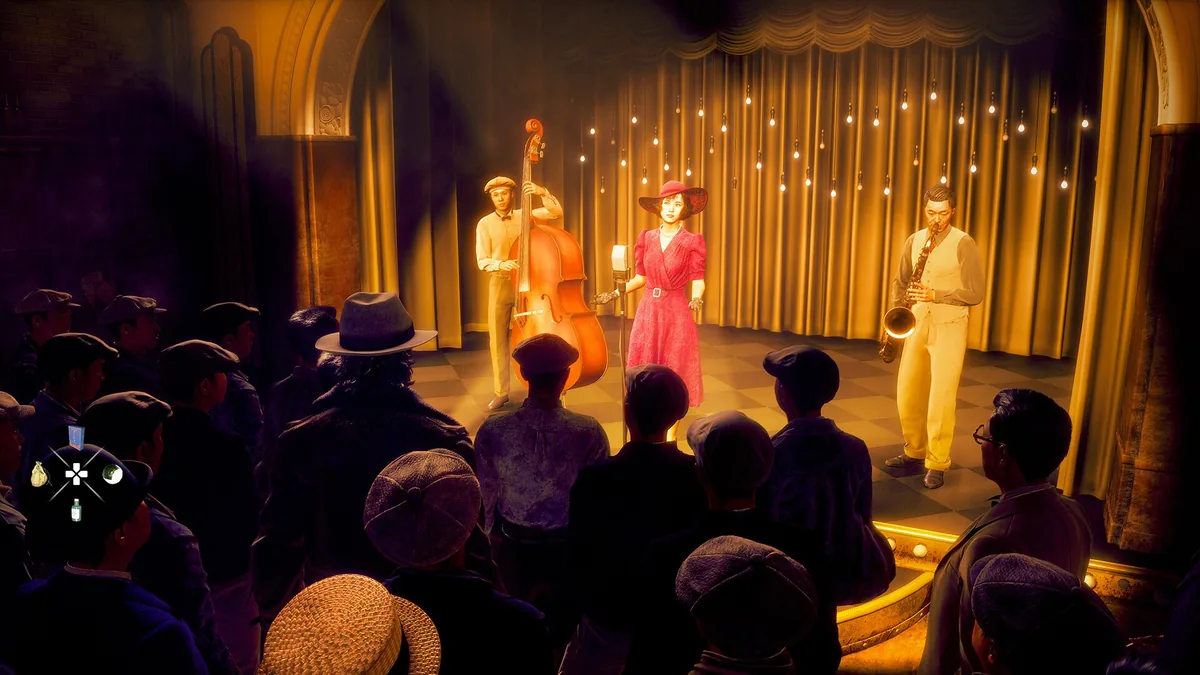
Confirmed fact, interpretation, and open question
Pre-release game searches often collapse three different things into one answer: what the publisher has said, what the footage suggests, and what fans hope the story will contain. Separating those layers makes the STRANGER THAN HEAVEN storyline easier to follow and easier to update. It also protects the page from turning a trailer detail into a permanent spoiler or an unsupported canon claim.
The safest rule is simple: use first-party wording for dates, cities, eras, the protagonist, and named systems; use cautious language for themes and likely character arcs; and leave endings, exact chapter order, faction continuity, and secret appearances open. The separate RGG/Yakuza explainer is useful for studio context, but it should not be used as proof that this story shares a confirmed franchise timeline.
Confirmed
Makoto Daito, the 1915 starting point, five eras, five Japanese cities, the broad fifty-year span, and the action-adventure plus showman framing are supported by official or storefront descriptions.
Reasonable reading
The cities can be read as stages of displacement, work, public performance, recovery, and urban pressure. That interpretation helps readers, but it is not a list of confirmed mission outcomes.
Still unknown
The full chapter order, endings, faction continuity, exact relationship map, story length, optional-story triggers, and spoiler details need the final game or official documentation.
Is this a Yakuza storyline? Keep the boundary clear
The RGG Studio connection is real, and the urban drama, street fights, eccentric side systems, and serious crime tone make comparisons with Yakuza and Like a Dragon natural. However, a similar creative identity is not the same as confirmed canon. The current official positioning presents STRANGER THAN HEAVEN as its own title led by Makoto Daito, not as a numbered sequel. Read the separate RGG and Yakuza comparison guide for the developer and gameplay boundary, then return here for the five-era story map.
For the adjacent questions, use the matching page instead of stretching this storyline guide into a general site index:
FAQ
STRANGER THAN HEAVEN storyline FAQ
What is the STRANGER THAN HEAVEN storyline about?
It follows Makoto Daito across a fifty-year journey that begins in San Francisco in 1915 and moves through five Japanese cities and eras. The confirmed themes include survival, identity, violence, music, public life, and the search for a home. Exact chapters and endings are not fully public before launch.
What is the STRANGER THAN HEAVEN timeline?
The announced timeline runs through 1915 Kokura, 1929 Kure, 1943 Minami, 1951 Atami, and 1965 Shinjuku. These years and cities describe the five-era structure; they do not by themselves reveal the complete order of missions or every character who appears.
What are the five eras in STRANGER THAN HEAVEN?
The five eras are represented by Kokura in Fukuoka in 1915, Kure in Hiroshima in 1929, Minami in Osaka in 1943, Atami in Shizuoka in 1951, and Shinjuku in Tokyo in 1965. The final game will determine how much time is playable in each period.
Is STRANGER THAN HEAVEN part of the Yakuza or Like a Dragon timeline?
The official pages currently identify it as a new STRANGER THAN HEAVEN title from RGG Studio and SEGA, not a numbered Yakuza or Like a Dragon sequel. Similar style and developer history support comparison, but they do not confirm shared canon.
Does this storyline guide contain spoilers?
It is designed as a spoiler-light pre-release overview. It explains the official premise, cities, eras, and evidence boundaries without inventing endings or revealing unverified character twists. The page should be expanded with clear spoiler labels only after launch information can be checked.
Sources
Official sources checked for the storyline guide
This page was checked on August 4, 2026. Xbox, PlayStation, and the official SEGA/RGG page provide first-party release and premise context; the Steam listing and existing official-media files support the game description and visual references. Store wording, release timing, and story details can change before launch, so the page should be revisited when new official material appears.