
Pre-release timeline reference
STRANGER THAN HEAVEN Timeline: Five Eras and Cities in Order
The short answer: STRANGER THAN HEAVEN moves through five announced eras and five Japanese cities between 1915 and 1965. This spoiler-light timeline puts the years, locations, historical frame, and Makoto Daito's journey in one quick reference, while separating confirmed details from story guesses that are not public yet.
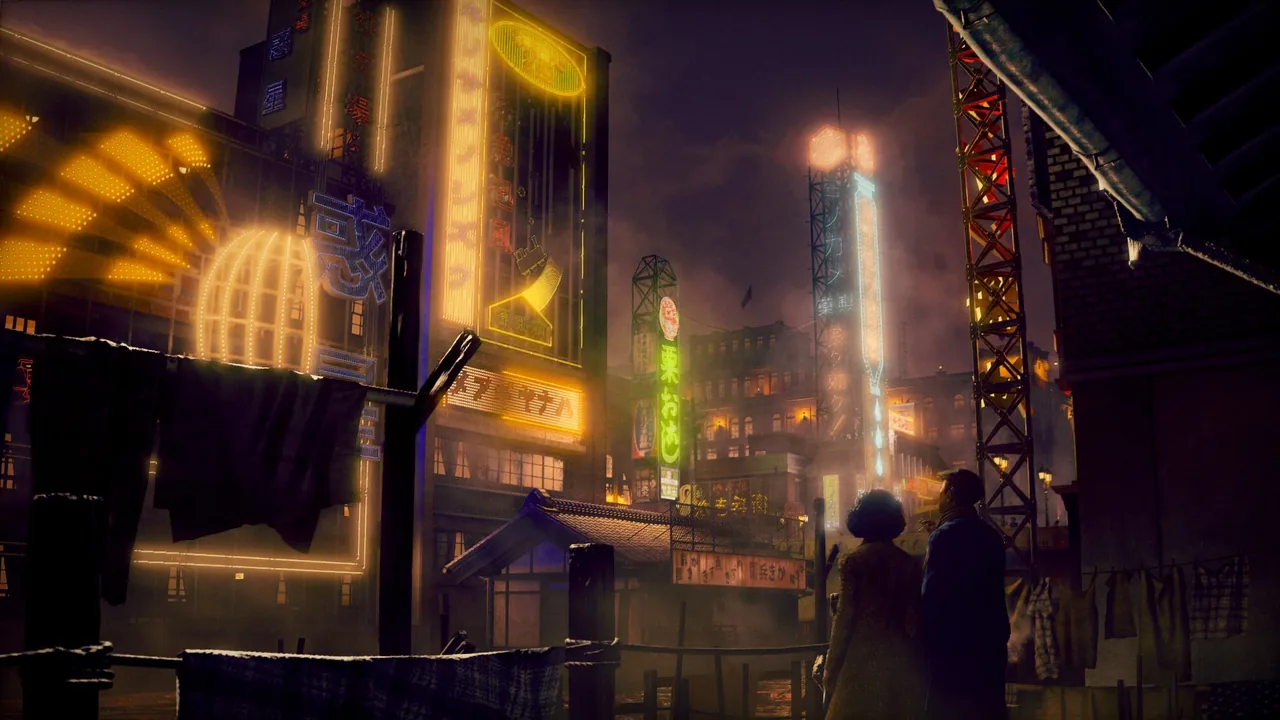
What is the STRANGER THAN HEAVEN timeline?
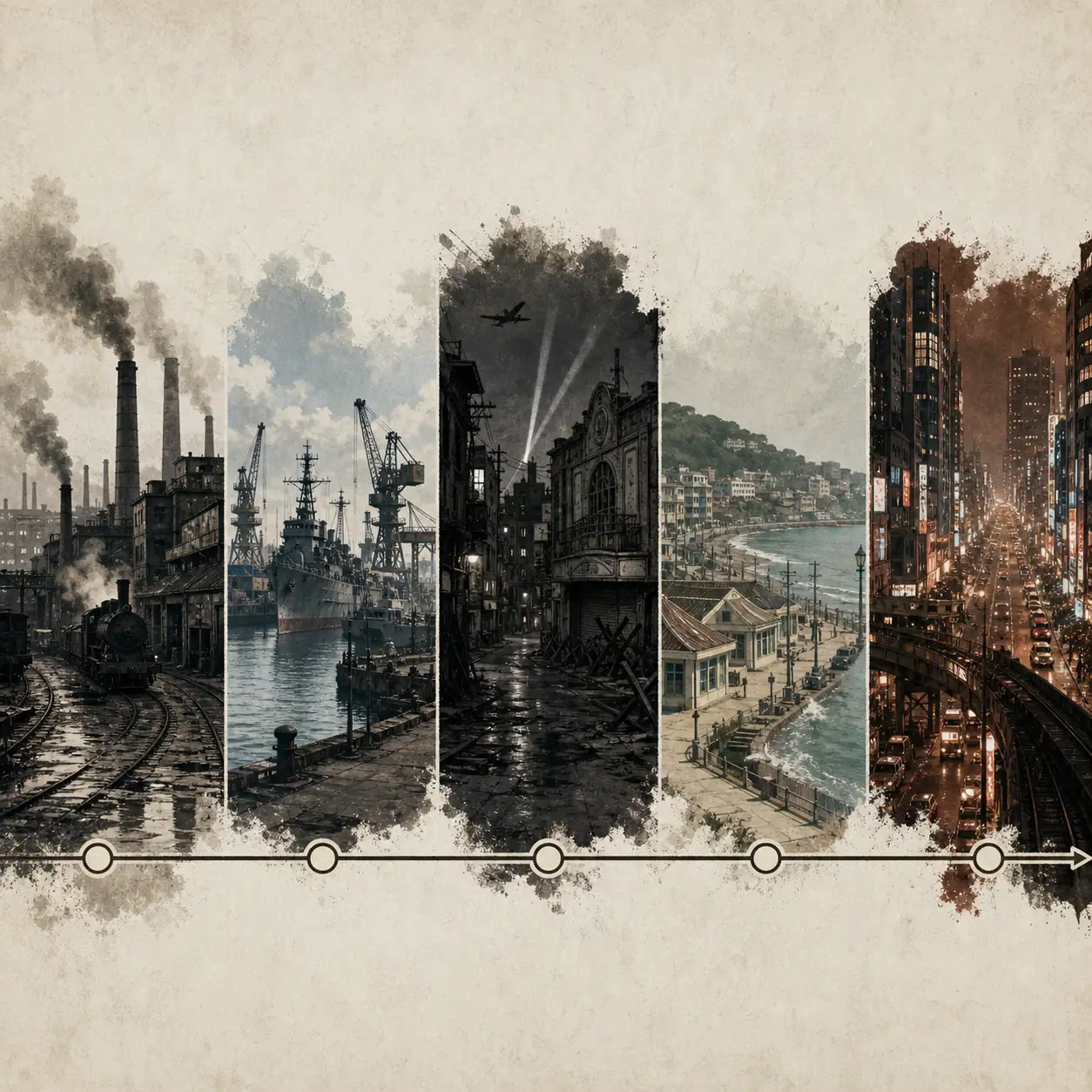
The announced order is 1915 Kokura in Fukuoka, 1929 Kure in Hiroshima, 1943 Minami in Osaka, 1951 Atami in Shizuoka, and 1965 Shinjuku in Tokyo. Together, these stops cover a fifty-year journey for Makoto Daito. The useful answer to the question where is STRANGER THAN HEAVEN on the timeline is therefore a chronological saga that begins in the early twentieth century and reaches a rapidly changing Tokyo in 1965.
This page is a reference guide rather than a full plot walkthrough. Official descriptions confirm the broad years, cities, protagonist, and themes of displacement, violence, music, and belonging. They do not yet publish every chapter, mission order, relationship turn, or ending. Use the table first for the date and city answer, then open the separate storyline guide when you want the longer explanation of what each era may mean.
Five eras, one long search for home
A timeline can answer a factual question without pretending to know the entire story. Makoto's movement starts after persecution and loss in San Francisco in 1915, then crosses industrial, military, entertainment, postwar, and modernizing urban settings. The cities are not interchangeable backdrops: each one marks a different kind of pressure that the official premise places around people who have nowhere to go.
The illustration beside this section is a conceptual editorial map, not an official screenshot or a literal scene-by-scene recreation. Its job is to make the five-step movement easy to scan before you read the table. The exact playable time in each location, the order of optional stories, and the characters who appear in every era still need the finished game or a new first-party source.
The quick reference
STRANGER THAN HEAVEN timeline in order
Read the rows from top to bottom. The year and city are the confirmed reference points; the setting and reading columns explain why each stop matters without turning atmosphere into an invented plot fact.
| Year | City and region | Historical setting | What the stop helps explain |
|---|---|---|---|
| 1915 | Kokura, Fukuoka | An industrial foundry town at the start of Makoto's Japanese journey. | Departure, work, and the first attempt to build a home after loss. |
| 1929 | Kure, Hiroshima | A naval-arsenal port shaped by military influence and organized crime. | Opportunity becomes a power struggle, with belonging tied to who controls the port. |
| 1943 | Minami, Osaka | A wartime entertainment district where public performance meets social pressure. | Music, survival, and public identity share the same crowded space. |
| 1951 | Atami, Shizuoka | A postwar seaside resort shaped by recovery, tourism, and reinvention. | The timeline turns toward rebuilding and the question of what a new life looks like. |
| 1965 | Shinjuku, Tokyo | A fast-growing pleasure district in a modernizing capital city. | The late-era city gathers the pressure and consequences of the decades before it. |
What the timeline is allowed to claim
For a pre-release game, a reliable timeline has to be narrower than a fan theory. Steam, Xbox, PlayStation, and official RGG/SEGA descriptions support the protagonist, the broad fifty-year span, the five eras, and the five Japanese cities. Those sources also establish the action-adventure and showman framing. They do not provide a complete chapter list, a spoiler-safe mission order, or a guaranteed cast list for every year.
That distinction matters because search results often combine official footage, translated store copy, fan discussion, and assumptions from earlier RGG games. A location visible in a trailer is evidence of a setting, not proof of its full story role. A historical interpretation can make the timeline easier to understand, but it should be labelled as interpretation. This page keeps those layers separate so future updates can replace open questions with sourced details instead of silently rewriting speculation as canon.
A quick source check
- Use the official store or publisher wording for dates, cities, eras, and the named protagonist.
- Treat a screenshot or trailer frame as visual evidence of tone or setting, not a complete plot summary.
- Keep fan theories, crossover assumptions, and unverified chapter orders outside the confirmed table.
- Recheck this page after launch before adding spoilers, maps, quest order, or character appearances.
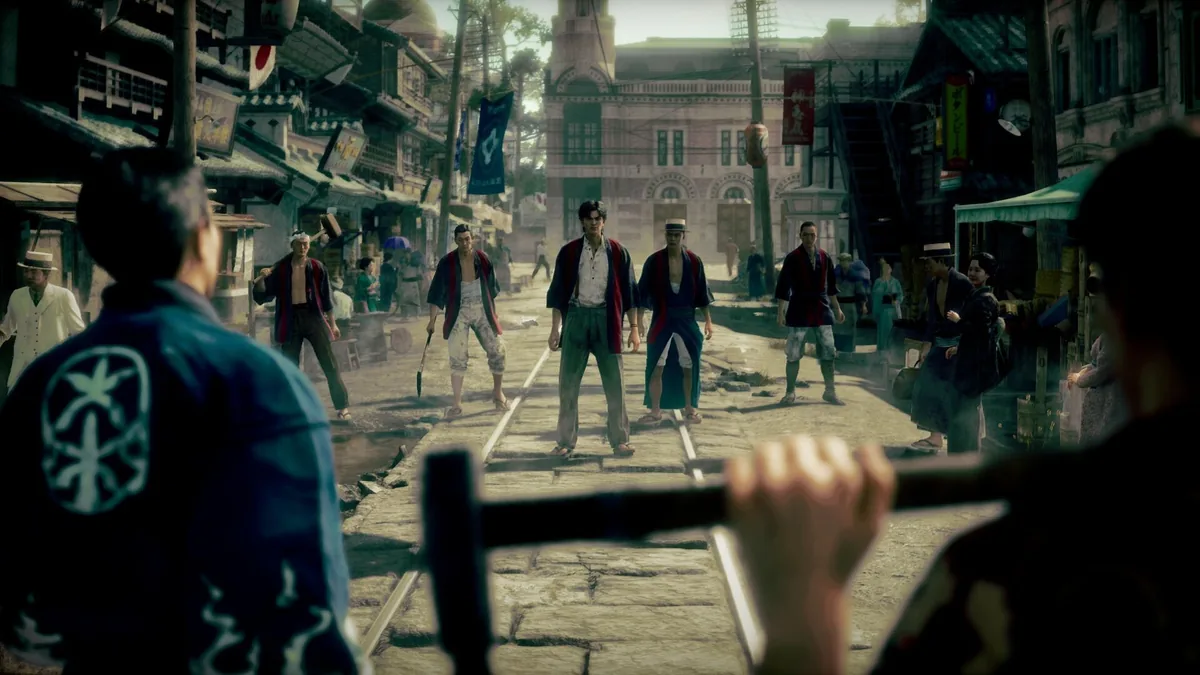
How to read each stop
What each era adds to the chronology
The five rows are more useful when you know what kind of change each one introduces. The notes below are careful editorial context: they connect the official setting to the reader's question without claiming that a theme equals a specific mission, boss, or ending.
Kokura, Fukuoka
Kokura is the starting line. The industrial setting gives the early timeline a practical pressure: Makoto has to leave one life behind and find a way to work and belong in a new country. The official premise supports that movement; the exact opening chapters remain unknown.
Kure, Hiroshima
Kure shifts the question from simply arriving to navigating power. A naval-arsenal port brings military influence, organized crime, and competing interests into the chronology. It is a useful marker for how the timeline can widen from personal survival into public conflict.
Minami, Osaka
Minami places performance and wartime pressure together. The entertainment district helps explain why music and public life are not separate from the game's larger setting. It is reasonable to read this as a tense era, but the guide does not turn that reading into an unconfirmed plot event.
Atami, Shizuoka
Atami introduces a postwar coastline and the social energy of tourism. In a fifty-year reference, it shows that the world around Makoto can rebuild and become commercial while the consequences of earlier choices remain. Official material confirms the stop, not every personal outcome there.
Shinjuku, Tokyo
Shinjuku is the late point on the announced chronology. A rapidly growing Tokyo district gives the timeline its modern urban pressure and a natural place to measure what has changed since 1915. Treat any ending, faction result, or final relationship as unknown until sourced.
Why the showman system belongs in a timeline guide
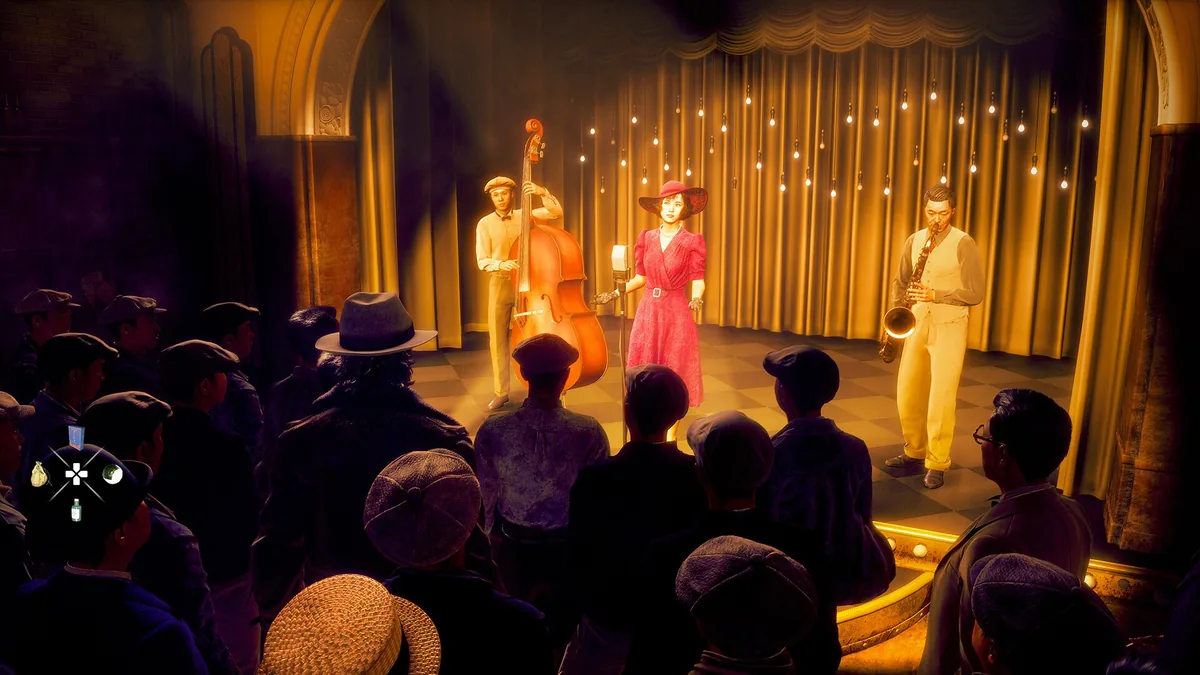
The chronology is not only a list of dates because the official game description places Makoto's public life beside street combat. He can gather rumors, scout performers, record sounds, create music, build setlists, arrange bands, cast performers, and manage stage production. These activities give the cities a social texture: the player is not only passing through historical locations but also meeting people and shaping public spaces.
Still, a system description is not a story flowchart. The available sources do not prove which performer appears in which year, whether a song changes a mission, or how production choices affect the ending. The performance image here is official visual context, while the chronology remains the five-year markers in the table. For exact rewards, chapter triggers, or missable activities, wait for launch data and use a future dedicated guide.
Confirmed fact, useful reading, and unknown detail
The best answer to what era is STRANGER THAN HEAVEN should be precise: the announced chronology covers five stops from 1915 to 1965. The table can state those years and cities confidently. It can also explain broad historical pressure, because the official premise and setting descriptions support that context. It should not invent a chapter title, a mission objective, a faction victory, or an ending simply because one would fit the period.
This boundary keeps the page useful after launch. When official updates or the final game reveal more, the reference rows can gain chapter names, spoiler labels, maps, and character links without having to undo exaggerated claims. Until then, the separate storyline guide is the right place for a longer spoiler-light interpretation, while the gameplay, cast, demo, and platform guides retain their own search intents.
Confirmed
Makoto Daito, the 1915 starting point, five eras, five Japanese cities, and the broad fifty-year journey are supported by official or storefront descriptions.
Useful reading
The sequence can be read as a movement through displacement, work, public performance, recovery, and modern urban pressure. That helps orientation but is not a mission list.
Still unknown
Exact chapter order, story length, endings, optional-story triggers, full character appearances, and the consequences of showman choices require launch evidence.
FAQ
STRANGER THAN HEAVEN timeline FAQ
What is the STRANGER THAN HEAVEN timeline in order?
The announced order is 1915 Kokura, 1929 Kure, 1943 Minami, 1951 Atami, and 1965 Shinjuku. The years and cities form the pre-release reference timeline; the final game will determine the exact chapter and mission order.
What era is STRANGER THAN HEAVEN set in?
STRANGER THAN HEAVEN spans five announced eras from 1915 to 1965. It begins with Kokura in Fukuoka, moves through Kure, Minami, and Atami, and reaches Shinjuku in Tokyo in 1965.
Where does the STRANGER THAN HEAVEN story start?
The premise begins in San Francisco in 1915, where Makoto Daito leaves after persecution and loss. The first Japanese timeline stop listed for the game is Kokura in Fukuoka.
Does this STRANGER THAN HEAVEN timeline contain spoilers?
It is designed as a spoiler-light pre-release reference. It lists confirmed years, cities, and broad setting context without inventing endings, chapter twists, or unverified character relationships.
How is this timeline different from the storyline guide?
This page is a quick chronology of years and places. The storyline guide gives the longer explanation of Makoto's journey, themes, evidence boundaries, and what can or cannot be inferred before launch.
Sources
Official sources checked for this timeline
This page was checked on August 15, 2026. Steam, Xbox, PlayStation, and official SEGA/RGG material support the named protagonist, five-era structure, city sequence, and broad story framing. Store wording and pre-release details can change, so verify a new announcement before treating it as a confirmed update.