
First-era location guide
STRANGER THAN HEAVEN Kokura: 1915 Setting and What We Know
Kokura is the first Japanese setting named for STRANGER THAN HEAVEN. The announced timeline places Makoto Daito in Kokura, Fukuoka, in 1915, after the story begins with persecution and loss in San Francisco. This guide explains what that location tells us, what the official material actually confirms, and where a pre-release reader should stop before turning atmosphere into an invented map or mission list.
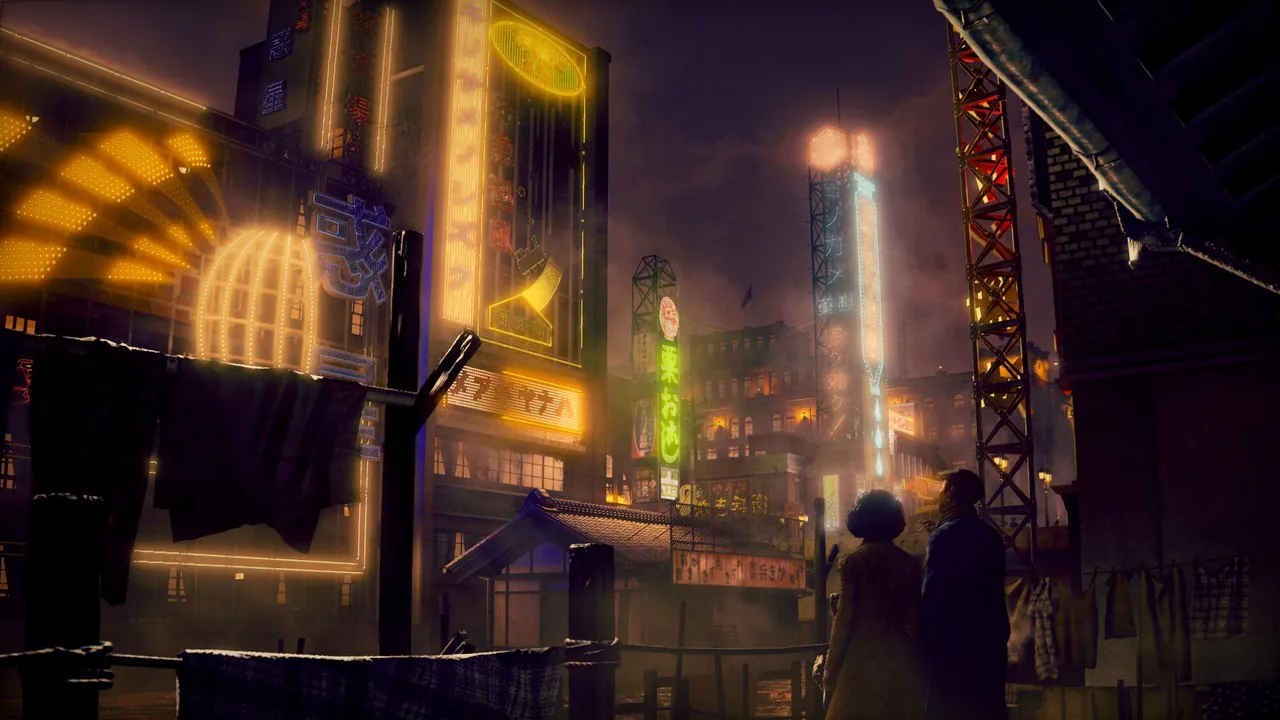
What is STRANGER THAN HEAVEN Kokura?
The short answer is that Kokura is the first Japanese stop in the announced chronology, set in 1915 in Fukuoka. The premise begins earlier in San Francisco, where Makoto leaves after persecution and loss, but the first Japanese city named in the game material is Kokura. That distinction matters when a search result says the story starts in Kokura: Kokura is the first Japan setting, not the first scene of the entire premise.
The available sources describe Kokura as an industrial or foundry town. They support the broad setting and the direction of Makoto's journey, but they do not publish a complete district map, opening mission order, boss list, or exact playable hours. A useful Kokura guide therefore has two jobs: give the location answer immediately and keep a visible boundary between confirmed facts, reasonable historical reading, and details that need the finished game.
Why Kokura matters in Makoto Daito's journey
Kokura gives the opening Japanese chapter a practical pressure rather than a purely symbolic one. An industrial city means work, ports, factories, rail connections, and crowded movement are part of the setting's visual language. For Makoto, that is a useful continuation of the story premise: he is not arriving in an empty historical postcard, but in a place where a newcomer has to find a way to earn trust, make a living, and decide what belonging can look like after leaving home.
The word industrial should still be treated as a source-based frame, not a promise that every factory or harbor shown in a concept image is playable. The official description and storefront material establish the broad environment; they do not yet list neighborhoods, side activities, real-world landmarks, or a one-to-one recreation of 1915 Kokura. This page uses the setting to explain the search intent, while the launch version will need to confirm which streets, interiors, encounters, and systems actually appear.
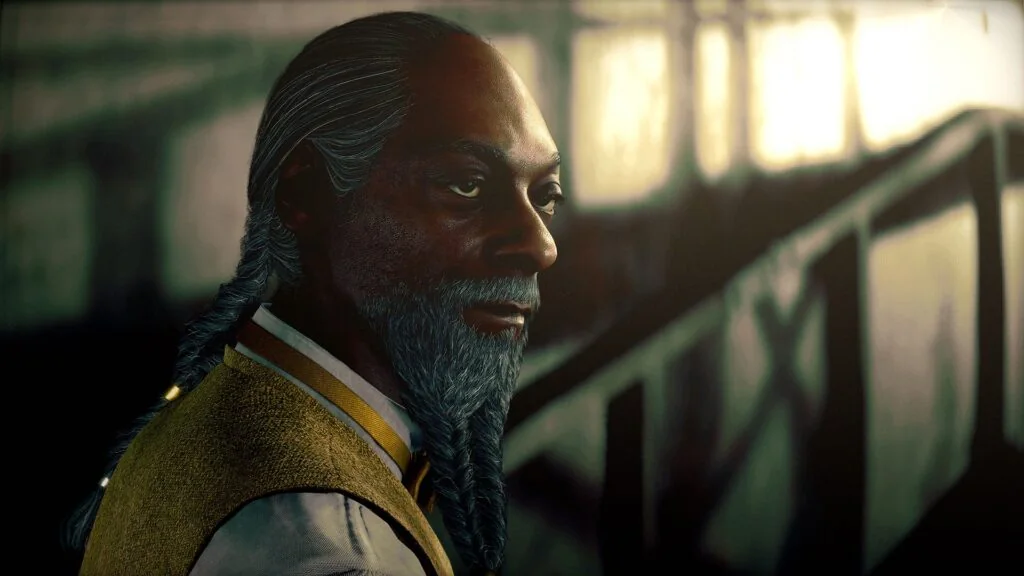
Chronology check
Kokura is the first stop in a five-era route
Kokura becomes easier to understand when it is compared with the other announced stops. The table is a quick reference, not a claim that each city receives equal playtime or a separate campaign.
| Announced stop | What the stop helps readers understand |
|---|---|
| 1915 · Kokura, Fukuoka | The first Japanese setting: industrial work, arrival pressure, and Makoto's first attempt to build a home after loss. |
| 1929 · Kure, Hiroshima | A later naval-arsenal setting that shifts the timeline toward military influence, port power, and organized conflict. |
| 1943 · Minami, Osaka | A wartime entertainment district where music, public identity, and survival share the same crowded space. |
| 1951 · Atami, Shizuoka | A postwar seaside setting that frames recovery, tourism, and the possibility of rebuilding a life. |
| 1965 · Shinjuku, Tokyo | The late-era urban stop, where a rapidly changing capital carries the pressure of the decades before it. |
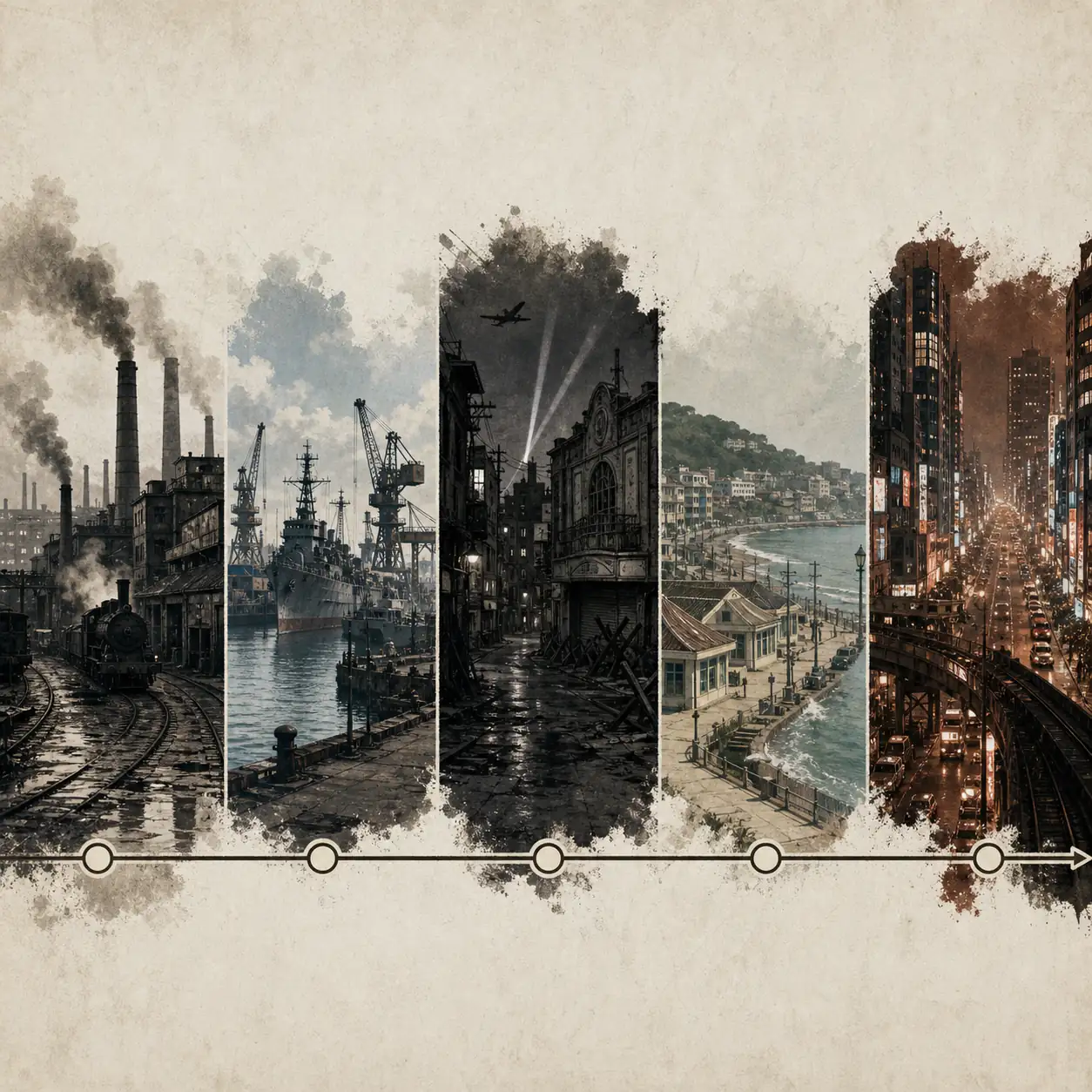
What is confirmed about arriving in Kokura?
The clearest pre-release answer comes from combining the official premise with the Xbox Wire event recap. Makoto leaves San Francisco in 1915 after persecution and loss, travels toward Japan, and reaches the first announced Japanese setting at Kokura. The recap adds character context around Orpheus, Yu, and Makoto's arrival, including the idea that Orpheus notices Makoto's musical ability and takes him on after the group reaches Kokura. Read that as an event summary, not as a full mission script.
That arrival context also explains why Kokura is a better standalone topic than another generic story page. Searchers are not only asking where the five cities appear; they are trying to understand the first transition, the people around Makoto, and why the industrial setting matters. The guide can answer those questions with source labels and cautious language. It cannot yet tell you the exact first objective, every companion trigger, or whether Kokura is fully open world.
Four checks before treating a detail as canon
- Use the official publisher, platform, or Xbox Wire wording for the year, city, protagonist, and broad premise.
- Treat a trailer frame or character image as evidence of tone or presence, not proof of a complete mission route.
- Keep fan translations, forum theories, and guessed landmarks separate from the confirmed Kokura facts.
- Recheck the first playable chapter after launch before publishing a map, walkthrough, or missable-activity list.
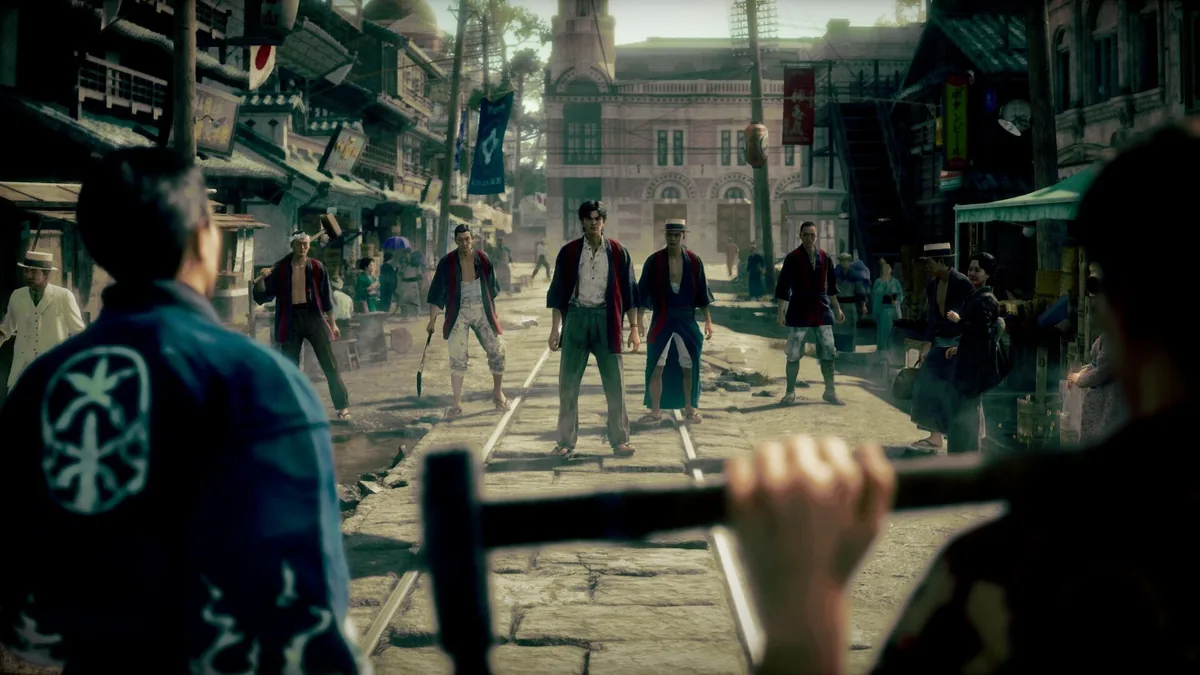
System context
How combat and showman systems may shape the Kokura chapter
The announced systems are relevant because a location guide should explain what a player might do there without inventing a walkthrough. The following distinctions keep the page useful before release.
Combat is confirmed as a system, not a Kokura route
Official descriptions mention independent left and right sides, jabs, charged attacks, tackles, pins, blocks, counters, and weapons such as knives, hammers, and katanas. Those details establish the game's combat direction. They do not confirm which enemies, weapons, upgrades, or boss encounters belong to Kokura, so this page links to the broader gameplay guide instead of inventing a build.
Music gives the city social texture
Makoto's showman work includes gathering rumors, scouting performers, recording sounds, creating music, building setlists, arranging bands, casting performers, and managing stage production. That makes Kokura more than a background for fights, but no source yet maps a performer, song, or reward to this specific year. Use the system description as context, not as a Kokura checklist.
The first stop is not a complete plot summary
Kokura anchors the transition from the San Francisco premise to Makoto's Japanese journey. It does not reveal every relationship, faction, ending, or later-era consequence. The spoiler-light storyline and cast pages are better places for broad narrative context until the final game provides chapter-level evidence.
Confirmed fact, editorial reading, and unknown detail
Pre-release location searches are vulnerable to confident-sounding guesses. A historical city name can make it tempting to fill in architecture, crime groups, missions, and map boundaries from general knowledge. That may create a vivid page, but it does not answer the reader's real need: knowing which part is official and which part is interpretation.
This guide keeps the evidence layers visible so it can be updated cleanly. The confirmed layer is the year, city, protagonist, and broad industrial setting. The reading layer explains why work, arrival, and belonging are useful ways to understand the first stop. The unknown layer includes chapter structure, map size, side stories, exact landmarks, playtime, and the consequences of player choices.
Confirmed
Kokura in Fukuoka is the first Japanese stop named for the 1915 portion of the announced journey. Makoto Daito is the protagonist, and the broad industrial setting is supported by official or storefront descriptions.
Useful reading
The setting can be read as a pressure test about work, migration, public identity, and the first attempt to build a home. That helps orientation but is not a mission list or a historical simulation claim.
Still unknown
The full district map, chapter count, opening objective, optional stories, faction outcomes, playtime, and Kokura-specific rewards require launch evidence.
How this Kokura guide should be updated after launch
A useful pre-release page should make its future update path obvious. When the game is playable, the first revision should compare the announced frame with the actual opening chapter instead of silently replacing old wording. That protects readers who saved the guide before release and lets later changes be checked against a dated source.
The order below is deliberately practical. It starts with verifiable structure, then adds player-helpful detail. A map or walkthrough should only appear after the chapter has been played and cross-checked against reliable footage or multiple consistent reports.
- Confirm the first playable chapter name, year marker, location boundaries, and whether Kokura is a continuous area or a sequence of scenes.
- Add a spoiler label, objective summary, and map only when the final game or a permitted first-party source supports them.
- Record Kokura-specific characters, combat tutorials, showman unlocks, collectibles, and missable activities with evidence.
- Keep the original check date and mark every later change so the guide never presents launch findings as pre-release facts.
FAQ
STRANGER THAN HEAVEN Kokura FAQ
What is Kokura in STRANGER THAN HEAVEN?
Kokura is the first Japanese setting named in the announced STRANGER THAN HEAVEN chronology. It is placed in Fukuoka in 1915, after the premise begins with Makoto Daito in San Francisco.
What year does the STRANGER THAN HEAVEN Kokura chapter take place?
The announced Kokura stop is set in 1915. The date is part of the pre-release five-era reference timeline; the finished game must confirm the exact chapter presentation and playable sequence.
Is Kokura the first city in STRANGER THAN HEAVEN?
Kokura is the first Japanese city named for the game. The wider premise starts in San Francisco in 1915, so Kokura is the first Japan setting rather than the first scene of the entire story.
Is there a STRANGER THAN HEAVEN Kokura map?
No verified official Kokura map or complete district layout is available in the sources used for this guide. Do not treat concept art, trailer frames, or fan guesses as a confirmed playable map.
What happens to Makoto when he reaches Kokura?
The Xbox Wire event recap provides arrival and Orpheus context, including that Orpheus notices Makoto's musical ability and takes him on after reaching Kokura. It does not publish a full mission-by-mission script, so the exact opening objectives remain unknown.
Will this page add a Kokura walkthrough after release?
Yes, if the final game provides verifiable chapter, map, combat, showman, or collectible details. The page will add spoiler labels and dated evidence instead of presenting pre-release interpretation as a walkthrough.
Sources
Sources checked for this Kokura guide
This page was checked on October 18, 2026. Steam, official STRANGER THAN HEAVEN and SEGA/RGG material, the Xbox page, and the Xbox Wire event recap support the named protagonist, 1915 setting, five-era structure, and broad arrival context. Store copy can change before launch, so verify a new first-party announcement before treating it as an update.